The Timeless Appeal of Mahjong
Mahjong, a game steeped in mystery and tradition, captures the imagination with its intricate pieces and storied past. With roots tracing back to ancient China, this tile-based game has managed to maintain its relevance and allure across generations. As we delve into the fascinating world of Mahjong, we also explore its growing presence in the digital age, particularly in conjunction with popular platforms like Borboleta-777 Oficial Slots Brasil #1.
Origins of Mahjong
Mahjong's history is as complex as the strategies it employs. Believed to have been developed during the Qing dynasty in the 19th century, the game combines elements of skill, strategy, and calculation along with a degree of chance. Legends suggest that the philosopher Confucius played a role in its creation, although historical evidence points to regional variations and influences.
Originally, Mahjong was played with cards; the transition to tiles occurred possibly to add durability and a tactile richness to the game. The Mah-jongg craze crossed over into America in the early 20th century, helping to sustain its popularity globally.
Game Mechanics
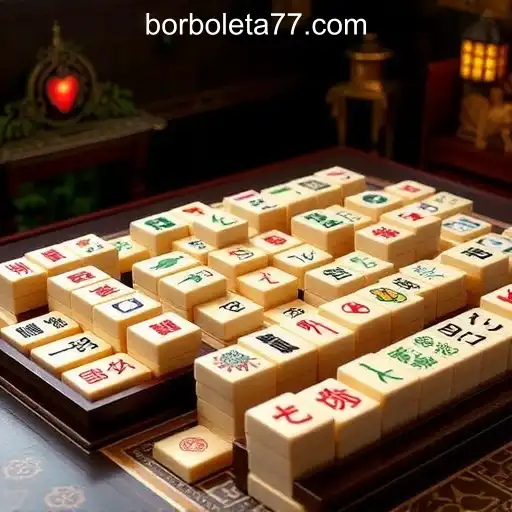
Traditional Mahjong is typically played by four players, and the objective is to build a winning hand using the given tiles. The game is known for its use of 144 tiles, with suits such as bamboo, dots, and characters, along with honors and bonus tiles. These tiles are shuffled and arranged into walls, from which players draw to form groups and pairs, akin to rummy.
Each player begins with 13 tiles, drawing and discarding until they complete a legal hand. The intricate dance between drawing tiles and strategizing discards offers a mental challenge and promotes strategic thinking.
Mahjong in Popular Culture
Despite its ancient origins, Mahjong continues to permeate modern culture. It has been showcased in countless films, TV shows, and novels, often symbolizing family gatherings and cultural heritage. Its global appeal has led to the development of regional variations, including Japanese Riichi, Hong Kong Mahjong, and American Mahjong among others.
Digital adaptations have also served to enhance its popularity. Traditional Mahjong can be played online, allowing enthusiasts to enjoy the game across geographies and cultures.Explore more about Mahjong adaptations.
The Digital Transformation of Mahjong
The digital era has seen Mahjong's transition from physical tiles to virtual platforms. Games like Borboleta-777 Oficial Slots Brasil #1 have integrated aspects of Mahjong, merging traditional gameplay with the thrill of slot machines. This innovative approach enhances user engagement and attracts new demographics who may not be familiar with the traditional game.
On these platforms, players can enjoy Mahjong-themed slots that fuse the classic tile game with the colorful and dynamic elements of slot gaming. The inclusion of social features and competitive leaderboards adds a layer of excitement and community to the experience.
Mahjong as a Cognitive Exercise
Beyond entertainment, Mahjong is celebrated for its cognitive benefits. Engaging in Mahjong regularly can improve memory, enhance mental acuity, and promote social interaction. It requires keen attention to detail, complex pattern recognition, and forward-thinking strategies, making it an effective mental exercise.
As with many games involving strategy and chance, players often report improvements in concentration and mental resilience.
Conclusion
As we look toward the future, Mahjong's continuing evolution seems certain. Whether enjoyed in its traditional form or integrated into cutting-edge gaming platforms like Borboleta-777 Oficial Slots Brasil #1, Mahjong remains a profound and captivating game that bridges historical tradition and modern innovation. Its enduring legacy is a testament to its complexity and universal appeal, fostering a shared sense of community and strategic brilliance across cultures and generations.